Free Car History Check in Germany: What a VIN Can and Can't Tell You
Germany has no free public database of accidents, mileage or previous owners. Here is what you can check for free with a VIN and the paperwork, and what only a paid history report covers.
By the Fahrnex Editorial Team · Reviewed by Umme Hanna Meskat
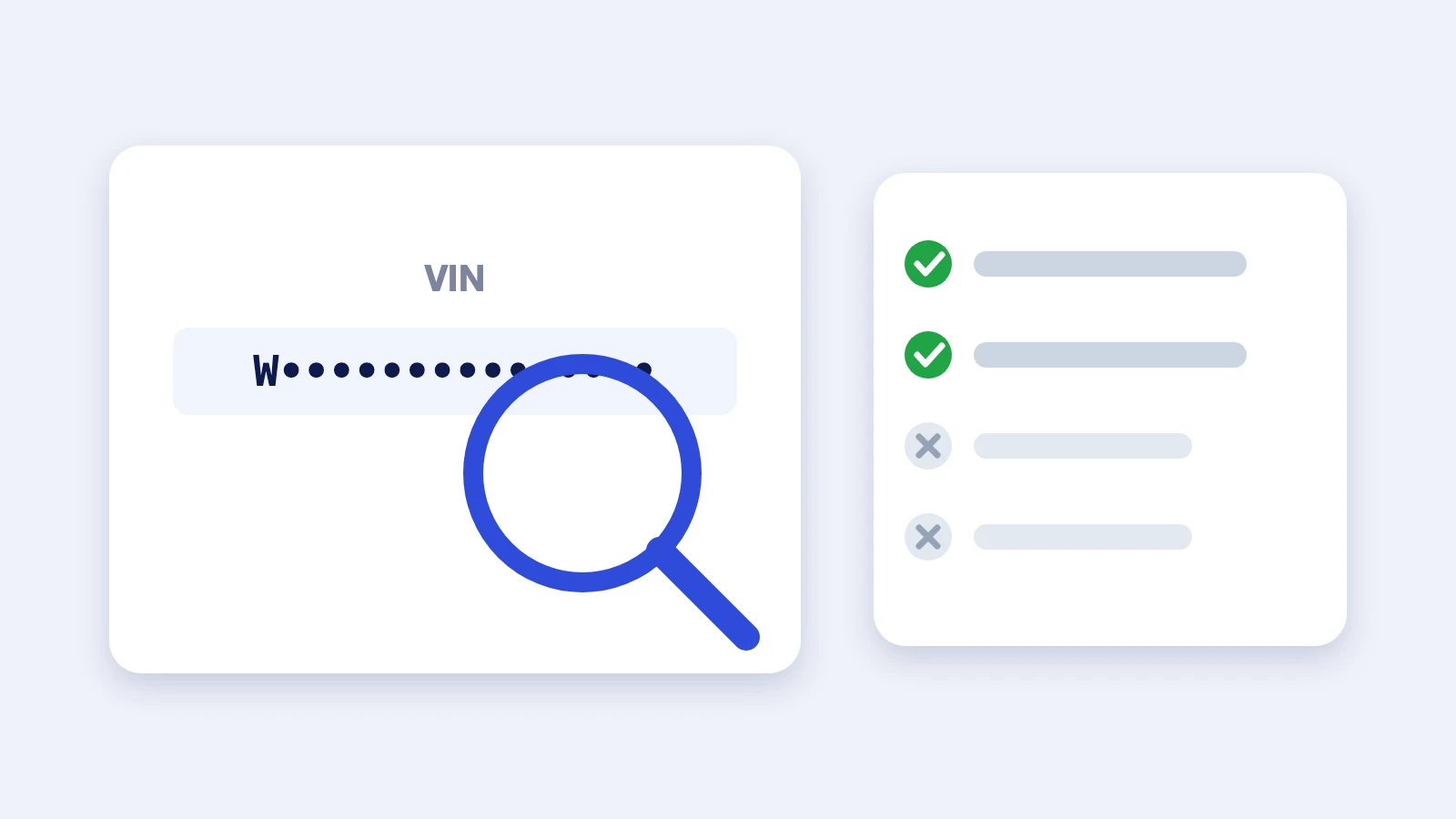
If you are buying a used car in Germany, there is one thing to know first: there is no free public database that shows a car's accident, mileage or ownership history by VIN. The central vehicle register at the Federal Motor Transport Authority (KBA) is not open to the public. A free VIN check therefore confirms what the car is; its history has to come from the documents, the manufacturer and, if you want more certainty, a paid report.
What you can check for free
| Check | What it tells you | Free? |
|---|---|---|
| VIN decode | Make, model, model year, engine and plant where the manufacturer published the data | Yes |
| VIN on car vs. documents | Whether the car matches its papers | Yes |
| KBA recall database | Recalls for a make, model and year | Yes |
| Manufacturer recall check | Whether this specific car has an open recall | Yes, via the manufacturer or a dealer |
| HU reports and service invoices | Odometer readings over time, defects found | Yes, if the seller has them |
| Accidents, previous owners, full mileage history | Not available from a public German source | Paid reports only, and not always complete |
Keep the next vehicle deadline visible without scattered paperwork.
Fahrnex connects reminders, documents, and service history so inspections and maintenance are easier to plan before they become urgent.
Create a free account1. Decode the VIN
A free VIN decoder confirms the vehicle's identity. If the decoded model, engine or year does not match the advert, stop and ask questions.
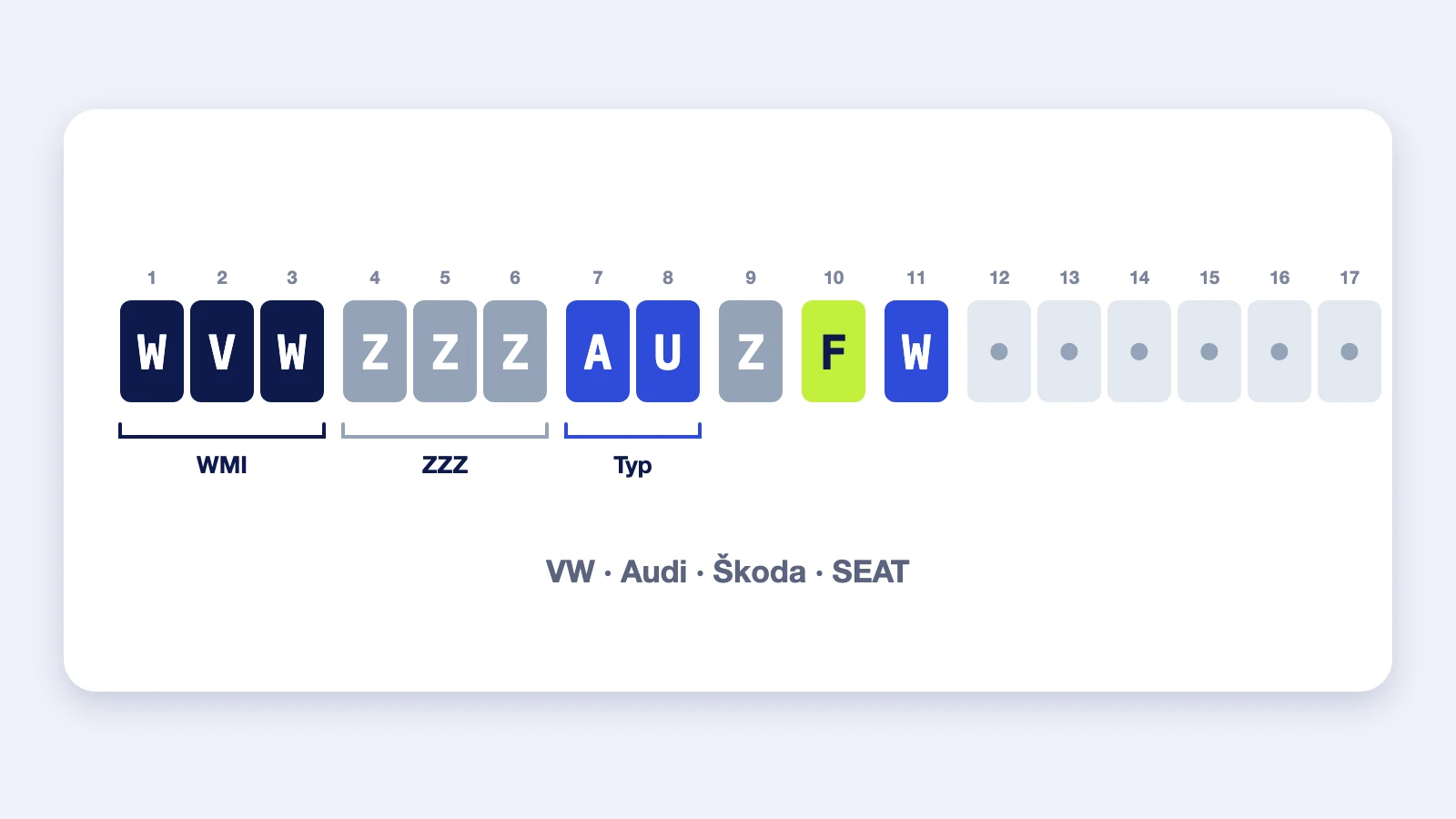
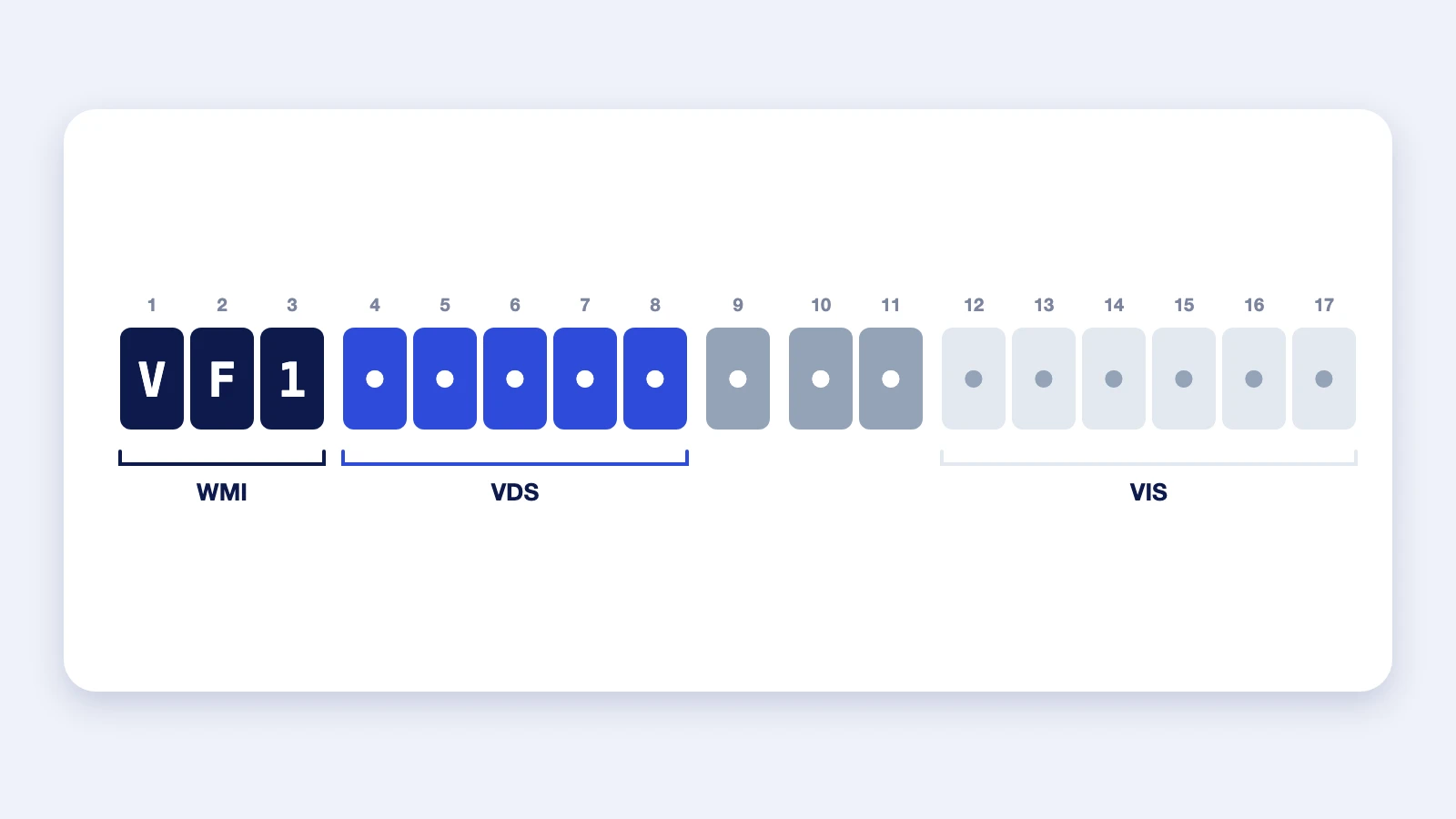
The Fahrnex decoder reads the manufacturer data published for a VIN in the official NHTSA vPIC dataset. For cars built for the European market this data is often incomplete, so some fields can stay empty. A decode confirms identity details; it does not show accident history, previous owners, mileage or whether a specific car has an open recall.
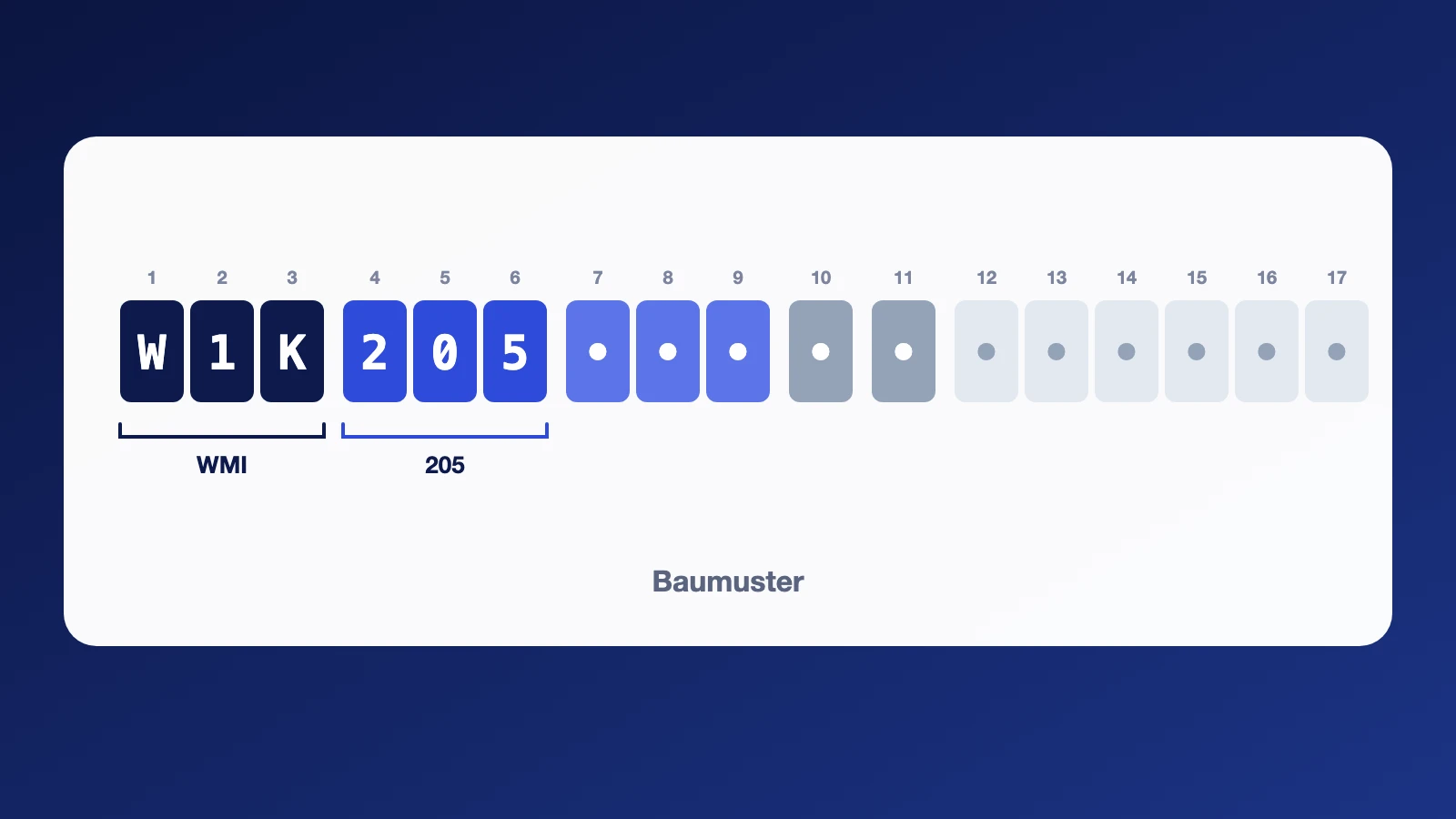
Brand guides: Volkswagen Group, Mercedes-Benz, Renault.
2. Compare the VIN with the papers
Read the VIN behind the windscreen and on the type plate, and compare it with field E of the registration certificate (Zulassungsbescheinigung Teil I) and with Teil II, the ownership document. All must match exactly. The seller's ID should match the name on the documents; a seller who cannot produce Teil II is a warning sign.
3. Check for recalls
The KBA recall database is free and searchable by brand, model and year of manufacture, by the manufacturer's recall code or by the KBA reference number. It cannot be searched by VIN. Because recalls often affect only certain versions, the KBA itself advises giving your VIN to the manufacturer's service hotline or an authorised workshop to find out whether a specific car is affected.
4. Follow the mileage through the paperwork
Under the EU roadworthiness directive 2014/45/EU, the inspection report records the odometer reading, so German HU reports show the mileage at each test. Ask the seller for the last reports and service invoices, and check that the mileage rises steadily between them. Gaps or a reading lower than an earlier one are reasons to walk away or to have the car inspected independently.
5. Use official checks from the country the car came from
Imported cars often have history in their previous country, and some countries offer official checks:
When a paid history report is worth it
Paid reports combine records from many countries and data sources, such as earlier registrations, odometer readings, photos from past listings and, in some cases, damage or theft records. They are useful for expensive or imported cars, but no report is complete: an empty section can mean “no record found”, not “nothing happened”.
On our VIN decoder pages you can order a full history report from our partner carVertical. Fahrnex may earn a commission on such purchases; it does not change the price you pay.
Checklist before you pay
Frequently asked questions
Is there a free car history check in Germany?+
Not for accidents, mileage or previous owners: Germany has no public database for that. You can check the VIN, recalls, documents and HU reports for free; full history reports are paid.
Can I check recalls by VIN in Germany?+
The KBA recall database searches by make, model and year, not by VIN. To check a specific car, give its VIN to the manufacturer or an authorised workshop.
Does a free VIN check show accidents?+
No. A free VIN decode shows the manufacturer's identity data. Accident and mileage records only appear in paid reports, and even those can be incomplete.
Fahrnex note
The calmest maintenance decisions usually come from keeping dates, receipts, and service history connected instead of scattered.
Share this article
About this article
Fahrnex evidence check
What we checked
The free checks listed were verified on the official services. Statements about the Fahrnex decoder follow the product's documented data sources.
| Check | Source | Limitation |
|---|---|---|
| Recalls | KBA recall database | Search by make/model/year, recall code or KBA reference; not by VIN. |
| VIN decode | NHTSA vPIC via Fahrnex | European-market VINs often return fewer fields; no history. |
| Foreign history | HistoVec, Car-Pass, RDW/NAP | Only for cars registered in France, Belgium or the Netherlands. |
Free checks in order
- Decode the VIN
- Match VIN and documents
- Confirm recalls with the manufacturer
- Trace mileage through HU reports
Editorially reviewed on 10 November 2026. Sources:
The editorial team checked official sources against the Fahrnex product methodology. This article is not a substitute for case-specific technical, legal or tax advice.